
Email Us
info@pumpkingmech.com
2013Year
We're Award Winning Company
-

ISO Certification
-

QA/QC standard
-

CE Mark
-

IQNet mark
cyclone pump
Introduction to Cyclone Pump Technology In the realm of industrial fluid handling, efficiency, reliability, and precision are paramount. Among the specialized pumping solutions, the cyclone pump stands out for its robust design and exceptional performance in demanding applications. Specifically engineered for aggressive and abrasive slurries, these pumps are critical components in industries where conventional pumps often fail due to wear and corrosion. Our CFD Cyclone Feeder Duty Pump, designed to replace MC&MCR models, exemplifies advanced engineering, offering superior longevity and operational stability in challenging environments. The demand for high-performance fluid transfer solutions is ever-increasing, driven by global industrial expansion and the need for optimized operational efficiency. Industries handling dense slurries, corrosive chemicals, and high-temperature fluids require pumps that can withstand extreme conditions while maintaining consistent flow rates and pressures. This article delves into the intricacies of this specialized pump technology, covering its manufacturing process, technical specifications, diverse applications, and inherent advantages. Industry Trends and Market Demand The global industrial pump market is experiencing steady growth, projected to reach over $100 billion by 2028, with specialized segments like slurry and chemical pumps showing particular dynamism. Key drivers include increasing industrialization in developing economies, stringent environmental regulations necessitating efficient waste and process water treatment, and the ongoing expansion of mining, petrochemical, and power generation sectors. The market for reliable `feeder pump` solutions, especially for chemical processing and mineral slurries, remains robust. A significant trend is the shift towards pumps with enhanced wear resistance, lower energy consumption, and reduced maintenance requirements. Manufacturers are increasingly focusing on advanced materials, intelligent monitoring systems, and modular designs to meet these evolving demands. The rise of automation and digital integration in industrial processes further drives the need for pumps that offer superior control, diagnostics, and seamless integration with plant management systems. This context underscores the critical role of specialized pumps like the cyclone pump in ensuring operational continuity and optimizing lifecycle costs for demanding applications. Manufacturing Process of the Cyclone Pump The production of a high-performance cyclone pump involves a meticulous multi-stage process, ensuring precision, durability, and adherence to international standards. This commitment to quality is what distinguishes leading manufacturers in the B2B landscape. The process typically encompasses: 1. Raw Material Procurement and Inspection Materials are selected based on the specific application requirements, often including high-chrome white iron alloys (e.g., A05, A07, A49), natural rubber, synthetic rubbers, or ceramic linings for abrasive and corrosive slurries. Incoming materials undergo rigorous inspection, including chemical composition analysis, hardness testing, and ultrasonic flaw detection, to ensure compliance with ASTM and ISO standards. 2. Casting and Forging Major components like impellers, volutes, and casings are produced through advanced casting techniques. For wear-resistant alloys, sand casting or ceramic mold casting processes are employed, followed by heat treatment (quenching and tempering) to achieve optimal mechanical properties and microstructure. Forged components are used for shafts and other high-stress parts to enhance strength and fatigue resistance. 3. Precision CNC Machining After casting, components are precisely machined using Computer Numerical Control (CNC) equipment. This ensures tight dimensional tolerances, critical for efficient hydraulic performance and proper assembly. Impeller balancing is a key step, reducing vibration and extending bearing and seal life. 4. Assembly and Liner Installation The pump components are assembled in a clean environment. For rubber-lined pumps, the liner components (volute liners, frame plate liners, cover plate liners) are carefully bonded or mechanically secured into the metal casings, ensuring a seamless, protective barrier against the pumped medium. 5. Quality Control and Performance Testing Every finished `duty pump` undergoes stringent testing protocols, including hydrostatic pressure testing for casing integrity, performance testing according to ISO 9906 (Grade 2 or 1) and ANSI/HI 1.6 standards for hydraulic efficiency, flow rate, head, power consumption, and NPSH (Net Positive Suction Head) requirements. Vibration analysis and noise level checks are also conducted. 6. Surface Treatment and Packaging External surfaces are typically primed and painted with corrosion-resistant coatings to ensure longevity in various environmental conditions. Pumps are then carefully packaged for transport, often in robust wooden crates, to prevent damage during shipping. This meticulous process ensures a service life often exceeding 10 years under proper operating conditions and maintenance, significantly outperforming general-purpose pumps in corrosive and abrasive service. Target industries include petrochemical, metallurgy, mining, power generation, and municipal water supply & drainage, where energy saving and corrosion resistance are critical. Schematic Steps of Cyclone Pump Manufacturing Raw Material Sourcing & QA (Alloys, Rubbers) Casting/Forging of Major Components (Impellers, Casings) Heat Treatment & Hardening (for wear resistance) Precision CNC Machining & Balancing Rubber Lining/Ceramic Coating (if applicable) Assembly of Pump Units Hydrostatic & Performance Testing (ISO 9906, ANSI/HI) Protective Coating & Final Inspection Packaging & Dispatch Technical Specifications and Parameters The CFD Cyclone Feeder Duty Pump is engineered for high performance and durability, featuring a robust design capable of handling challenging media. Understanding its technical specifications is crucial for proper system integration and optimal operation. CFD Cyclone Feeder Duty Pump Key Specifications Parameter Specification Model Series CFD (Designed to Replace MC&MCR Series) Flow Rate Range (Q) Up to 2400 m³/h (10500 GPM) Head Range (H) Up to 95 m (310 ft) Discharge Diameter 50mm to 350mm (2" to 14") Solids Handling Capability Up to 70% by weight (slurry dependent) Materials of Construction High-chrome alloy (A05, A07, A49), Natural Rubber, Synthetic Rubbers, Polyurethane Shaft Seal Options Expeller Seal, Packing Seal, Mechanical Seal Bearing Assembly Heavy-duty grease lubricated tapered roller bearings Operating Temperature Up to 110°C (230°F) for metal, 80°C (176°F) for rubber Pressure Rating Up to 1.6 MPa (232 psi) Efficiency Optimized hydraulic design for high efficiency and reduced power consumption These specifications underscore the versatility and robust engineering behind the CFD cyclone pump , making it suitable for a wide range of demanding applications where conventional pumps would quickly succumb to wear or corrosion. Application Scenarios and Target Industries The robust design and specialized material construction of the cyclone pump enable it to thrive in the most aggressive industrial environments. Its primary function as a `feeder pump` or `chemical feeder pump` involves the reliable transfer of abrasive slurries, corrosive liquids, and high-density mixtures across various sectors. Key Industries and Applications: Mining & Mineral Processing: Essential for transporting mineral concentrates, tailings, and process water containing abrasive solids. Applications include cyclone feed, mill discharge, filter press feed, and hydro-cyclone separation circuits. Metallurgy: Used in leaching, electrolysis, and effluent treatment processes where slurries contain corrosive chemicals and abrasive particles from metal extraction. Coal & Power Generation: Critical for ash handling, flue gas desulfurization (FGD) systems, and coal preparation plants, pumping abrasive coal slurries and limestone slurries. Chemical Processing: Handles aggressive chemical slurries, acid-slurry mixtures, and other corrosive fluids, where material compatibility and leak-free operation are paramount. Sand & Gravel: Pumping sand, gravel, and aggregate slurries in dredging, washing, and classification operations. Water & Wastewater Treatment: Transferring sludge, grit, and other abrasive solids in municipal and industrial wastewater facilities. In these scenarios, the advantages of the CFD Cyclone Feeder Duty Pump are clear: significantly extended operational life compared to standard centrifugal pumps, reduced downtime for maintenance, and consistent performance under fluctuating process conditions. Its ability to handle high concentrations of solids and corrosive agents makes it an indispensable asset in these demanding operations. Technical Advantages Over Conventional Pumps The CFD Cyclone Feeder Duty Pump offers distinct technical advantages, particularly when compared to general-purpose industrial pumps or older `MC pump` designs, making it a superior choice for abrasive and corrosive applications. Enhanced Wear Resistance: Constructed with high-chrome alloys (up to 28% chromium) or heavy-duty elastomeric liners, these pumps provide exceptional resistance to abrasive wear, significantly extending component life in slurry applications. This directly translates to reduced maintenance intervals and lower total cost of ownership (TCO). Corrosion Resistance: For chemical slurries, material options like specialized rubber compounds or stainless steel alloys ensure the pump can withstand corrosive attack, preventing premature failure and ensuring process integrity. Optimized Hydraulic Design: The impeller and volute designs are specifically engineered for slurry handling, minimizing turbulence and particle impingement, which reduces wear and improves hydraulic efficiency. This often results in substantial energy savings over the pump's operational life. Robust Bearing Assembly: Heavy-duty bearing frames and oversized shafts are standard, providing superior shaft rigidity and bearing life, crucial for handling the high radial and axial loads generated by dense slurries. Variety of Sealing Options: Multiple sealing arrangements (expeller, mechanical, packed gland) are available to match process requirements, ensuring minimal leakage and maximizing operational safety and reliability, especially with the `chemical feeder pump` variant. Interchangeability: As a replacement for MC&MCR pumps, the CFD series offers dimensional and performance interchangeability, allowing seamless upgrades without significant system redesign, reducing capital expenditure and installation time. Vendor Comparison: CFD Cyclone Pump vs. Standard Slurry Pumps When selecting a slurry pump, a comparative analysis is essential. The CFD Cyclone Feeder Duty Pump distinguishes itself by offering a blend of proven design principles and advanced material science, providing a competitive edge, particularly as an alternative to older MC/MCR designs. Comparison Table: CFD Cyclone Feeder Duty Pump vs. Typical Slurry Pump Feature/Characteristic CFD Cyclone Feeder Duty Pump Typical Older Slurry (e.g., MC/MCR Design) Design Focus Optimized for wear life, energy efficiency, and modern material options. Direct replacement for enhanced performance. Standard design, robust but potentially less efficient with older material options. Wear Part Materials Advanced high-chrome alloys (A05, A07, A49), premium natural/synthetic rubbers. Excellent abrasion/corrosion resistance. Standard high-chrome iron, natural rubber. Good, but often limited in specific challenging applications. Hydraulic Efficiency High, due to advanced impeller and volute geometry designed for slurry flow dynamics. Reduced energy consumption. Moderate, designs may not be optimized for peak energy efficiency under all conditions. Maintenance & Downtime Lower frequency of maintenance due to extended wear life. Modular design for easier component replacement. Potentially higher maintenance frequency, leading to increased downtime and labor costs. Interchangeability Fully interchangeable with MC&MCR series parts, facilitating seamless upgrades. Original specification, direct part replacement. Total Cost of Ownership (TCO) Lower TCO over pump lifecycle due to reduced energy, maintenance, and replacement costs. Potentially higher TCO due to increased operational and maintenance expenditures. This comparison highlights the continuous innovation in the design of the cyclone pump , offering significant long-term value to industrial operators by addressing common pain points associated with slurry handling. Customized Solutions and Engineering Support Recognizing that no two industrial applications are exactly alike, specialized pump manufacturers offer extensive customization options and dedicated engineering support. The CFD cyclone pump , while a robust standard product, can be tailored to meet unique operational demands. Customization Options Include: Material Selection: Choice of specific high-chrome alloys, natural rubbers, synthetic elastomers (e.g., Neoprene, Hypalon, EPDM), or polyurethane, precisely matched to the abrasiveness, corrosiveness, temperature, and specific gravity of the pumped medium. Impeller Design: Custom impellers can be designed or modified to optimize hydraulic performance for specific flow-head points, NPSH requirements, or to better handle large solids. Sealing Arrangements: Beyond standard options, custom mechanical seals, gland packing configurations, or expeller seal variants can be engineered for unusual pressures, temperatures, or media characteristics. Drive Configurations: Direct-drive, V-belt drive, and specialized motor selections (e.g., explosion-proof, variable speed drives) can be integrated to meet specific site requirements and energy efficiency goals. Baseplate and Mounting: Custom baseplate designs, skid-mounted units, or special mounting arrangements for integration into existing plant infrastructure. Our engineering teams collaborate closely with clients, conducting detailed application analyses, CFD (Computational Fluid Dynamics) simulations, and finite element analysis (FEA) to ensure that the customized `duty pump` solution delivers optimal performance, efficiency, and longevity. This consultative approach minimizes risks and maximizes return on investment for complex fluid handling projects. Application Case Studies Case Study 1: Mineral Processing Plant Tailings Transfer A large copper mining operation faced persistent issues with premature wear of their tailings `feeder pump` systems, leading to frequent downtime and high maintenance costs. Their existing MC-series pumps, while functional, required monthly impeller and liner replacements due to the highly abrasive quartz-rich tailings slurry (50% solids by weight, specific gravity 1.4). After a comprehensive site evaluation, our CFD Cyclone Feeder Duty Pump (a direct replacement for their MC pump model) was recommended with high-chrome A05 alloy wear parts. Results: Over an 18-month period, the CFD `duty pump` demonstrated a wear life more than triple that of the previous pumps. Impeller life extended from 1 month to over 4 months, and volute liner life increased from 2 months to 7 months. This resulted in a 65% reduction in annual maintenance costs for that pump station and an estimated 15% improvement in overall plant uptime. The client reported significant operational cost savings and improved process stability. Case Study 2: Chemical Plant Acid Slurry Transfer A specialty chemical manufacturer required a reliable `chemical feeder pump` for transferring an acidic slurry containing fine, abrasive catalyst particles. The highly corrosive nature of the acid (pH 2.0) combined with the abrasive solids was causing severe erosion-corrosion on their existing pumps, leading to frequent seal failures and casing leaks. We supplied a customized CFD Cyclone Feeder Duty Pump with specialized synthetic rubber liners and an external flush mechanical seal system. Results: The customized cyclone pump operated continuously for over 12 months without any seal failures or significant wear observed on the liners during scheduled inspections. The client achieved a substantial reduction in both chemical waste from leaks and maintenance-related safety incidents, demonstrating the pump’s superior performance in aggressive chemical environments. Frequently Asked Questions (FAQ) Q1: What is the typical lead time for a CFD Cyclone Feeder Duty Pump? A1: Standard models typically have a lead time of 4-6 weeks from order confirmation. Custom configurations or large projects may require 8-12 weeks, depending on the complexity and material availability. We work closely with clients to meet project deadlines and can discuss expedited options if necessary. Q2: What is the warranty period for your cyclone pumps? A2: All CFD Cyclone Feeder Duty Pumps come with a standard 12-month warranty from commissioning or 18 months from shipment, whichever comes first, covering defects in materials and workmanship. Extended warranty options are available upon request. Q3: Do you provide after-sales support and spare parts? A3: Yes, we offer comprehensive after-sales support, including technical assistance, troubleshooting, and field service. A full range of genuine spare parts for the CFD Cyclone Feeder Duty Pump (including impellers, liners, shafts, and bearing assemblies) are readily available to ensure long-term operational continuity. Our parts are fully interchangeable with MC&MCR series parts, simplifying inventory management for existing users. Q4: How do I select the correct cyclone pump for my application? A4: Pump selection is critical. We recommend consulting our application engineers. We require detailed information on the fluid properties (specific gravity, viscosity, solids concentration, particle size, pH, temperature), desired flow rate and head, suction conditions (NPSHa), and duty cycle. This data allows us to precisely size and configure the optimal CFD Cyclone Feeder Duty Pump for your specific needs. Conclusion The CFD Cyclone Feeder Duty Pump represents a significant advancement in slurry and chemical handling technology. Its specialized design, advanced material options, and rigorous manufacturing processes ensure unparalleled durability, efficiency, and reliability in the most arduous industrial applications. By offering superior wear and corrosion resistance, energy savings, and interchangeability with legacy MC&MCR pump systems, this cyclone pump delivers a compelling value proposition to B2B decision-makers and engineers seeking to optimize their fluid transfer operations and reduce lifecycle costs. Choosing the right pumping solution is not merely a purchase; it is an investment in operational stability and long-term profitability. References International Organization for Standardization (ISO). (2012). ISO 9906: Rotodynamic pumps - Hydraulic performance acceptance tests - Grades 1, 2 and 3. ANSI/HI. (2016). ANSI/HI 1.6-2016 Rotodynamic (Centrifugal) Slurry Pumps for Nomenclature, Definitions, Applications, and Operation. Hydraulic Institute. Worster, R. C., & Denny, D. F. (1955). The transport of solids in pipelines. Institution of Mechanical Engineers Proceedings, 169(1), 563-575. Cheddie, D. (2018). Slurry Pump Handbook. Elsevier Science. Kroon, D. (2013). Advanced slurry pump technology for abrasive applications. World Pumps, 2013(6), 34-37.
20+
Business
Experience
Experience
-
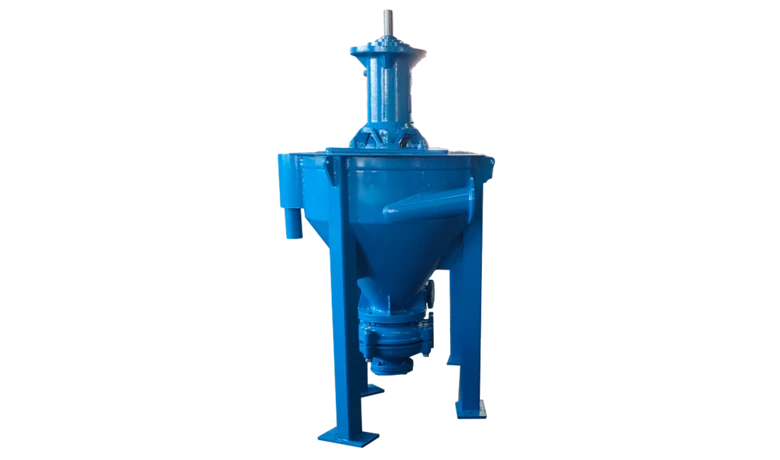 Advancing Industrial Fluid Management: The Role of vertical sump pump Technology In diverse industrial sectors, the efficient and reliable management of abrasive, corrosive, and high-temperature slurries and liquids is paramount to operational continuity and safety. The evolution of pumping technology has continuously sought solutions for challenging fluid handling applications, and the vertical s
 -
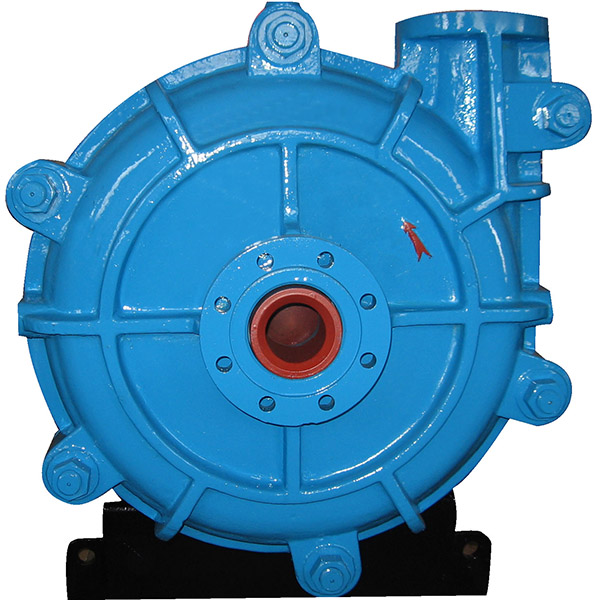 Introduction to High-Performance Cyclone Pumps for Industrial Applications In demanding industrial environments, the efficient and reliable transfer of abrasive slurries and corrosive fluids is paramount. The cyclone pump stands as a critical component, engineered to tackle the most arduous pumping tasks in sectors ranging from mining and mineral processing to chemical manufacturing and wastewater
 -
In the realm of industrial pumping solutions, the abrasive slurry pump stands as a workhorse, handling some of the toughest materials. At the heart of these robust machines lies the impeller, a crucial component that determines the pump's efficiency and durability. Hebei Xiangmai Pump Industry Co., Ltd., established in 2013, has been a trailblazer in the field as a professional slurry pump factory
Our Advantage
Your Slurry Solutions Partner
-
01Systematic Quality AssuranceWe have a strict quality inspection process and strictly control every link in the production process.
-
02On-schedule DeliveryWe have mature manufacuring lines and strategic inventory managment to ensure on-schedule delivery of validated solutions.
-
03Technical TeamWe have 10+ specialized engineers deploying expertise across pump design, prototyping and testing.
-
04Customized ServicesOur products include 10+ series of slurry pumps, featuring 100+ varieties and 1000+ models to meet the diverse customized needs.
-
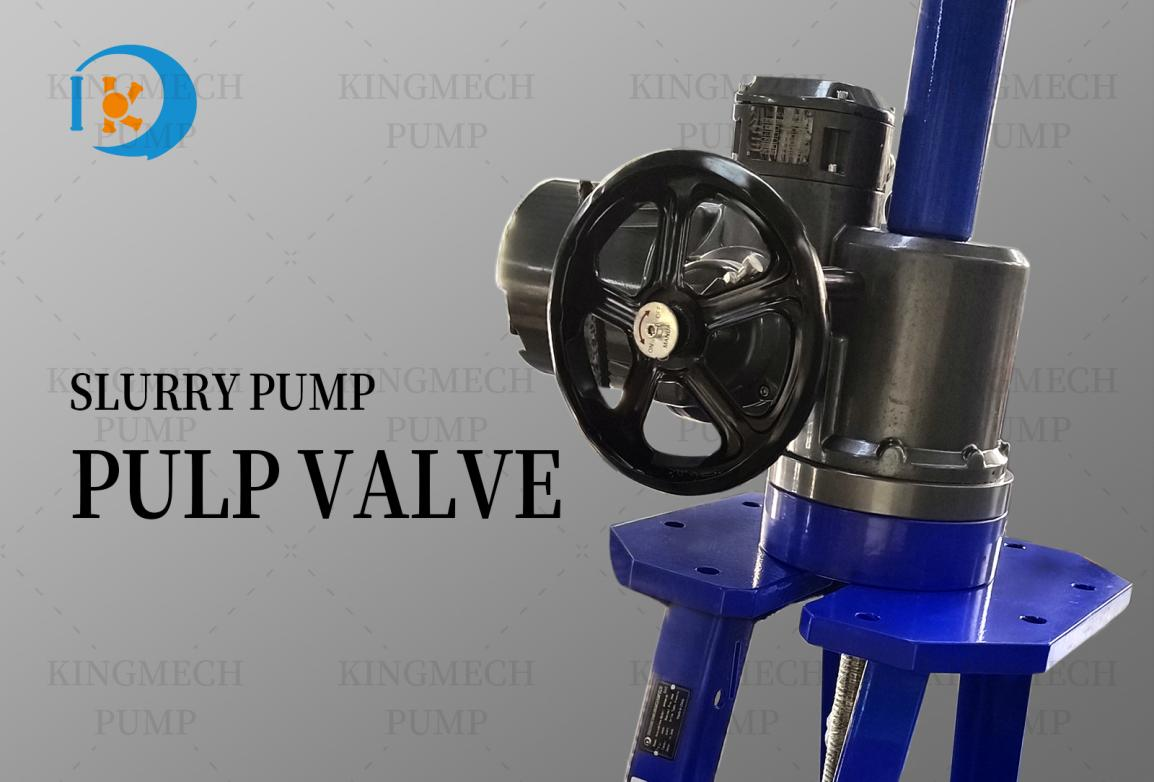 The pulp valve is a non-packing knife gate valve, sealed by a synthetic rubber sleeve in the valve chamber. Elastic bushings can be replaced on site.
 -
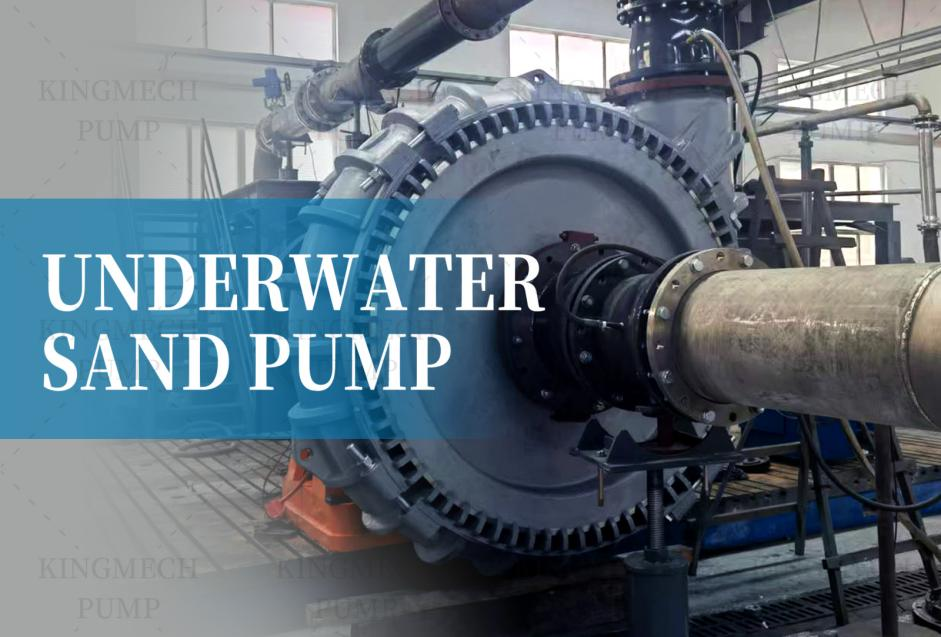 The underwater sand dredging pump 450/400HOL-DGHD adopts a new bearing assembly seal independently designed and developed by the company.
 -
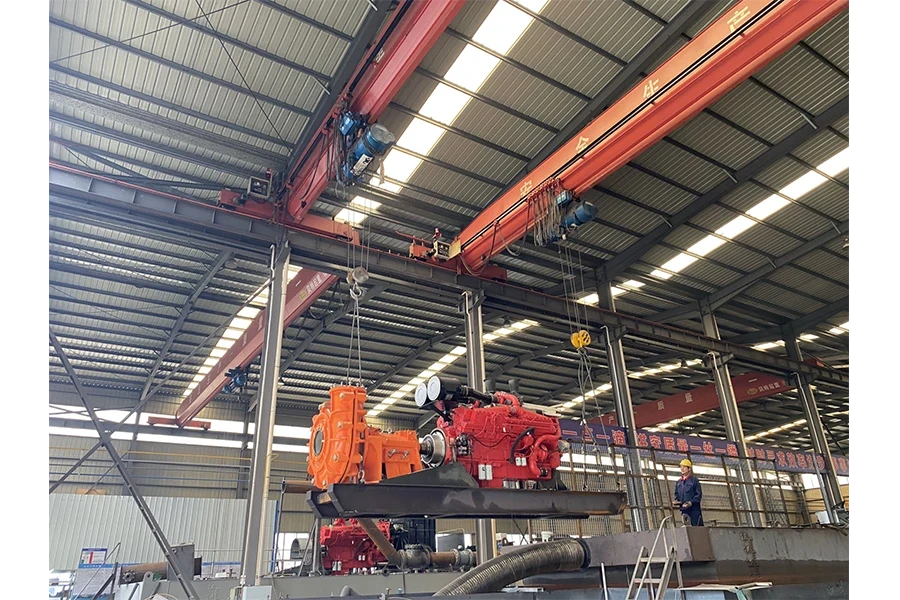 A dewatering pump is specifically designed to remove water from construction sites, mines, tunnels, basements, and other areas where unwanted water accumulation can hinder operations or cause structural damage.
-
 Industrial Manufacturing Solutions
 -
 Metallurgy and Mining Applications
 -
 Energy and Oilfield Equipment
 -
 Chemical Processing Systems
DISTRIBUTED COUNTRIES
Where we Service
Our members are spread across 89 countries. We look forward to working hand in hand with more partners to create a bright future together.

USA
Chile
Argentina
Australia
Indonesla
Philippines
Singapore
Singapore
UK
Portugal
Yekaterinburg
South Africa
Finland
st. petersburg
Viernam
Laos
siberia
Russia
-
 2026-06-16 00:58Enamel Cast Iron Cookware Set-Hebei Xiangmai Pump Co., Ltd._Non-Stick,DurabilityEnamel cast iron cookware has redefined the culinary landscape by combining the timeless benefits of
 -
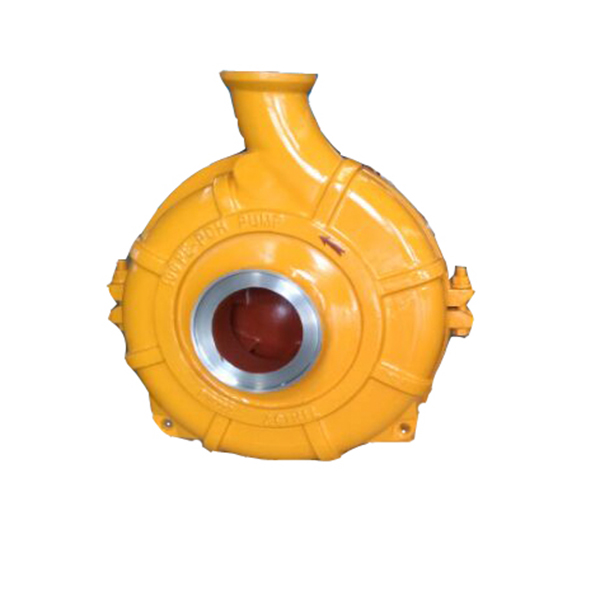 2026-06-16 00:23High-Efficiency Vortex Sludge Pump for Industrial ApplicationsIn today's fluid transfer sector, vortex sludge pump technologies—encompassing cyclo pumps and vorte
 -
2026-06-15 22:48GHD High Head Slurry Pump - Hebei Xiangmai Pump Co., Ltd._Heavy Duty, Abrasive Slurry HandlingThe GHD Grease Lubrication High Head Slurry Pump represents the pinnacle of engineering innovation i


